Auto Collision Repair Timeline: From Teardown to Delivery
Understanding the full timeline of auto collision repair helps car owners set realistic expectations and make smarter decisions after an accident. Whether damage is minor or severe, every auto collision repair follows a predictable sequence of stages, and knowing what happens at each step can reduce stress and help you work with your shop more effectively. Drivers in Gainesville, FL, who are dealing with a crash will find it especially useful to know where delays most often occur and why.
Stage One: Estimate and Insurance Approval
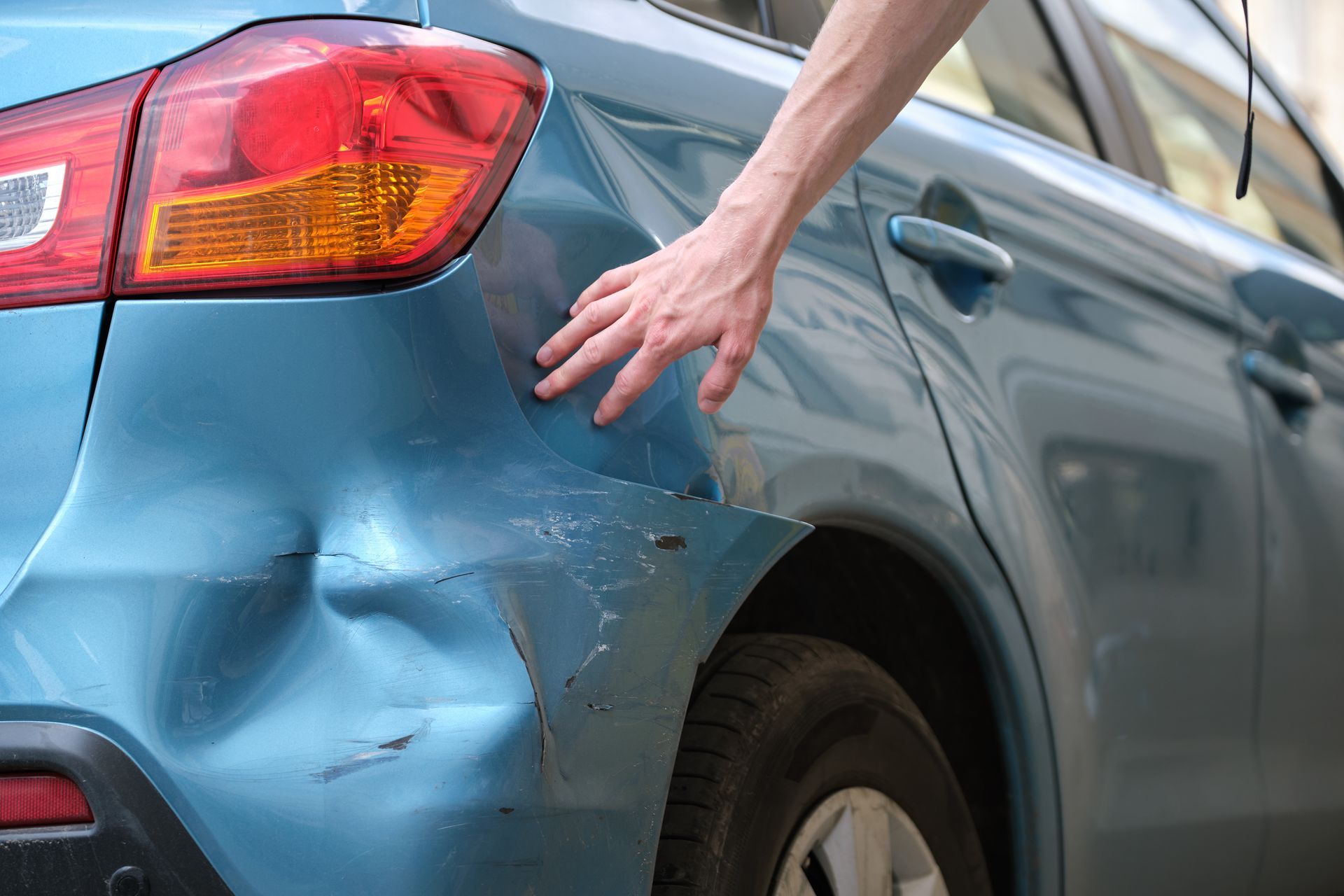
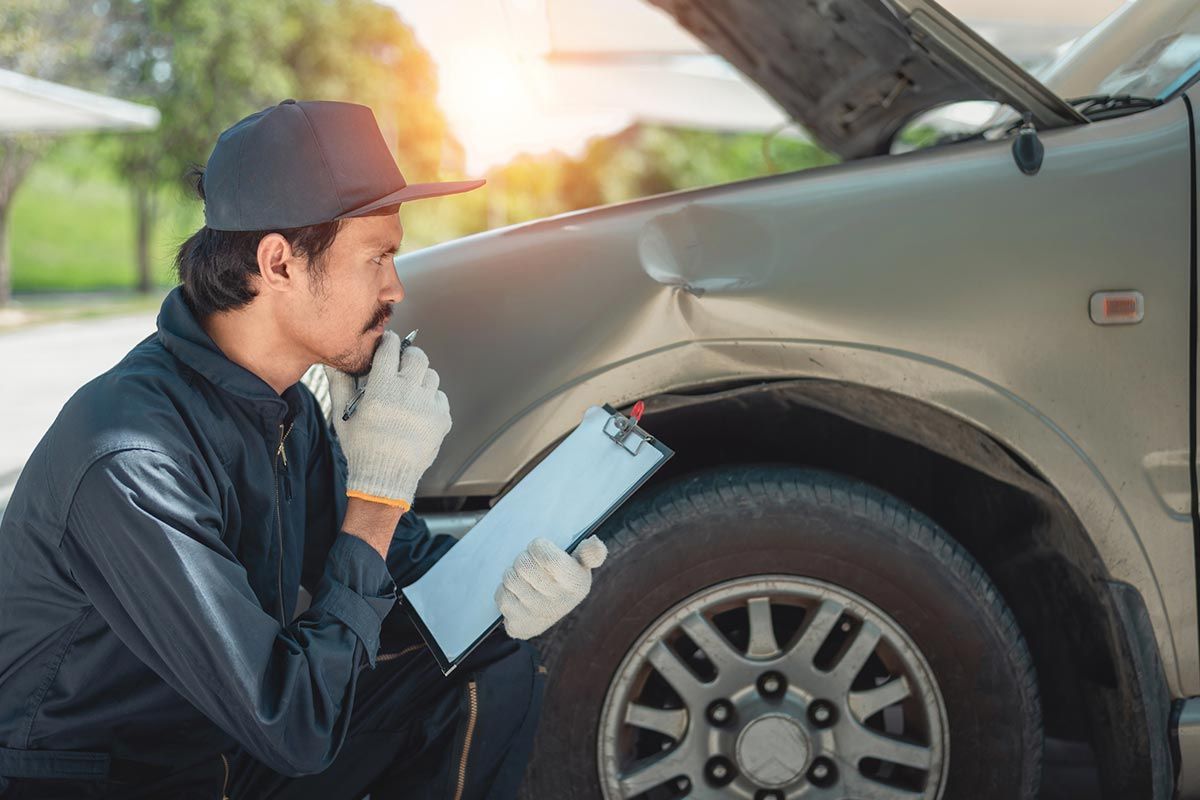
The repair process begins with a thorough damage assessment. A technician inspects the vehicle, documents every affected area, and prepares a written estimate. This estimate lists parts, labor, and projected repair time. For a straightforward fender bender, an estimate may be ready the same day. For more complex damage, it can take longer.
Insurance approval is the first major checkpoint that can slow things down. Once your shop submits the estimate, the insurer may request an additional review, send an adjuster, or ask for a supplement if hidden damage is found later. This stage alone can take anywhere from one day to over a week, depending on your insurer's process and workload. The repair work itself cannot begin until approval is confirmed and payment is arranged.
Shops that work directly with insurance carriers can often move this stage along faster. Asking your shop whether they handle insurance coordination is a smart first question.
Stage Two: Teardown and True Damage Assessment
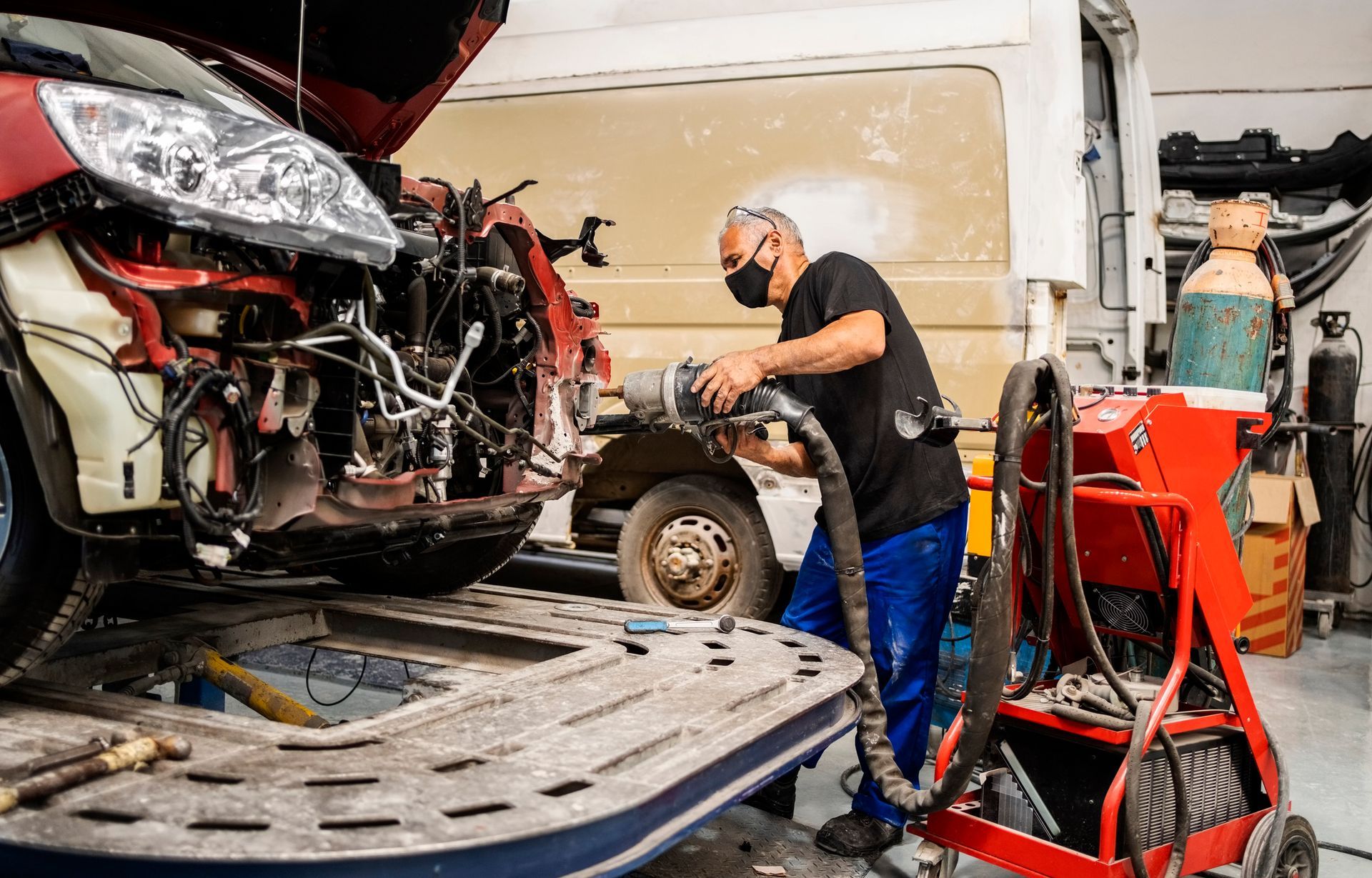
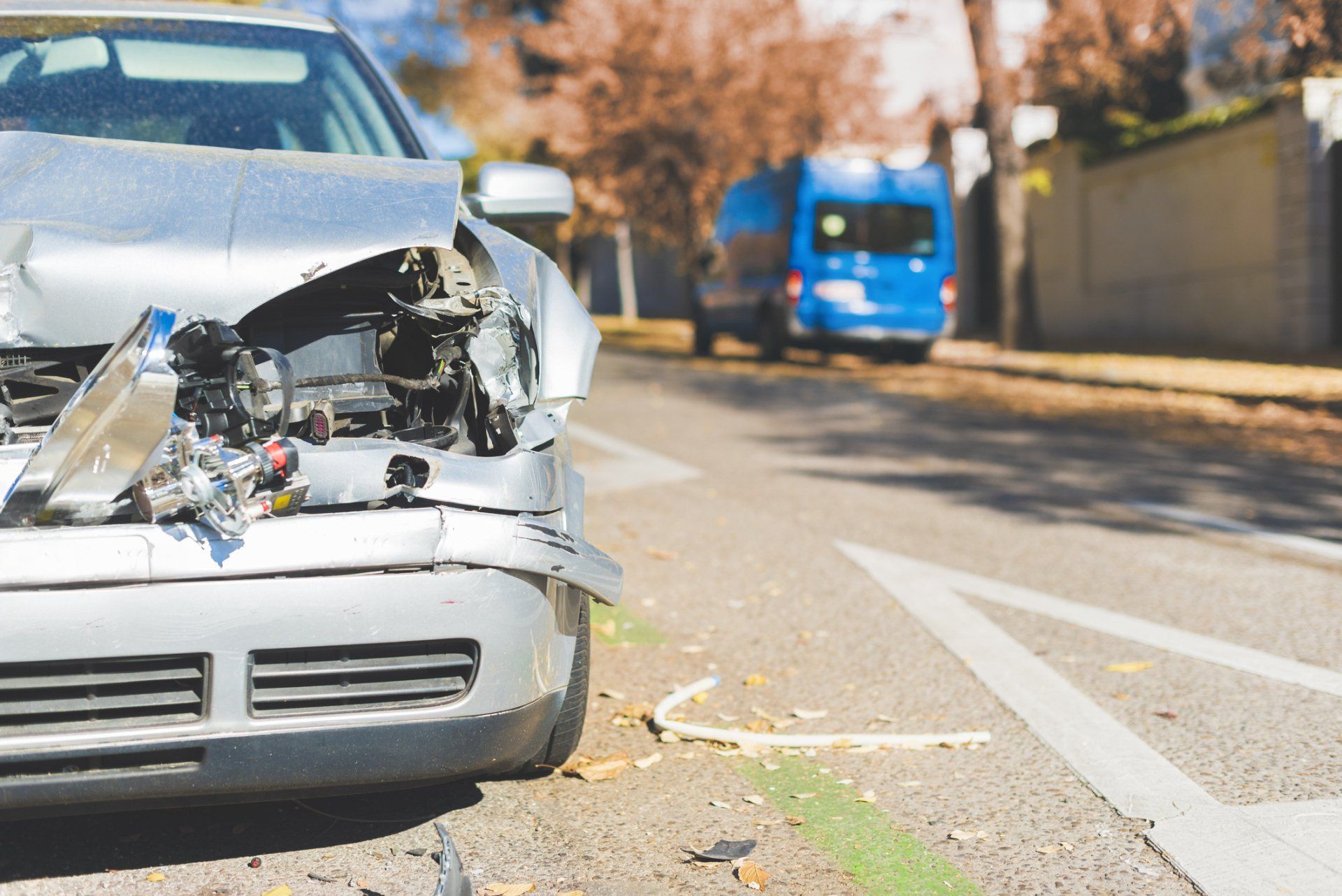
Once approved, the real discovery begins. Technicians disassemble the damaged areas of the vehicle to expose what the surface-level inspection could not reveal. This teardown stage is critical because collision damage is often deeper than it appears. Panels come off, trim is removed, and structural components are inspected carefully.
This is also when a supplement to the original estimate may be needed. If hidden damage is found during teardown, the shop must go back to the insurer for approval on the additional work. That back-and-forth can add days to the overall timeline.
Teardown typically takes one to two days, but more heavily damaged vehicles may take longer. The information gathered here drives every decision that follows.
Stage Three: Parts Ordering
Parts availability is one of the biggest variables in any auto collision repair timeline. Once the teardown is complete and all damage is documented, the shop places parts orders. How long those parts take to arrive depends on several factors.
Common domestic parts may arrive within one to two business days. Specialty components, imported parts, or items for older vehicles can take a week or more. Being close to major distribution hubs in Florida can shorten lead times for common parts, but rarer components may still take longer.
Shops with established supplier relationships tend to receive parts faster. If your vehicle needs a backordered item, the shop will usually notify you and may be able to source an alternative.
Parts ordering is the stage where vehicle owners most often experience unexpected delays. Staying in contact with your shop during this time helps you track progress.
Stage Four: Structural and Body Repair
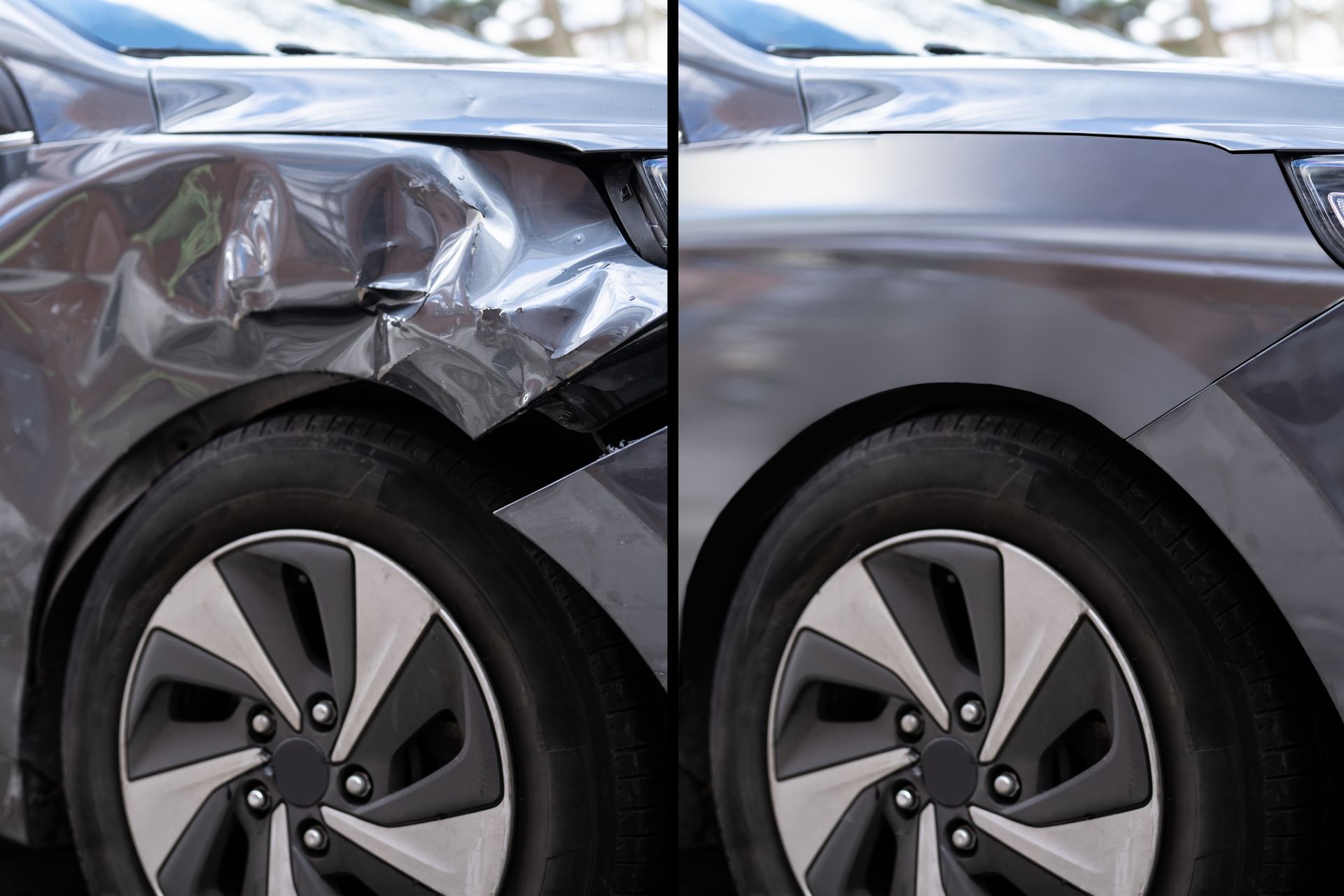
With parts in hand, structural and body repairs begin. This is the core of the auto collision repair process. Depending on the extent of damage, technicians may straighten or replace frame components, repair or replace panels, and restore the vehicle's structural integrity. Frame alignment is measured precisely, often with computerized equipment, to ensure the vehicle drives safely.
Body repair work can take anywhere from a few days to two or more weeks depending on the severity of the collision. A vehicle with frame damage, multiple panel replacements, and mechanical components to address will naturally require more time than one with a single dented door.
What Happens During Refinishing?
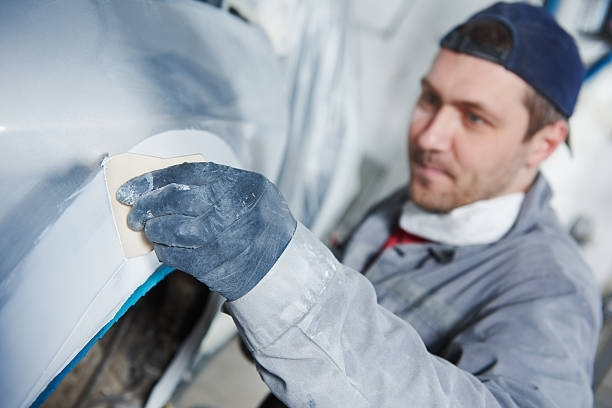
Refinishing follows structural and body repair. Technicians prep the repaired surfaces, apply primer, blend and match paint to the vehicle's original color, and apply a clear coat. Paint matching is a skilled process that requires careful attention to color formulas, especially on vehicles with metallic or specialty finishes. Each coat must cure before the next is applied, so refinishing typically spans one to three days. A proper paint job protects the repaired metal and restores the vehicle's appearance.
How Long Does Final Inspection and Delivery Take?
The final inspection is the last stage before your vehicle is returned. Technicians check panel alignment, verify paint quality, test all mechanical and electrical systems affected by the repair, and clean the vehicle inside and out. This stage may take a few hours to a full day.
If any issue is found during inspection, it is corrected before delivery. Quality shops do not skip this step, because problems caught in-house are far easier to fix than ones the owner finds after pick-up.
The total auto collision repair timeline for a minor repair may be three to five business days. A moderate repair with parts delays could run one to two weeks. Significant structural damage can extend the timeline to three weeks or beyond.
Get Your Vehicle Back on the Road With Automotive Super Sports
Automotive Super Sports, serving Gainesville, FL, has been providing dependable auto collision repair since 1997. Whether your vehicle needs a single panel repaired or a full structural restoration, the team at Automotive Super Sports guides you through every stage, from estimate to delivery. Free estimates are available, and the shop works with all insurance providers to simplify the claims process.
To learn answers to common repair questions, visit the
Auto Collision Repair FAQ.When you are ready to get started,
contact the team or call
(352) 379-9111 today.